



Bob Koepka, also known as Robert or Bobby Koepka, is the father of professional golfers Brooks Koepka and Chase Koepka. Raised in Bridgeport, West Virginia, he became a successful college baseball pitcher before developing into a skilled amateur golfer. Based on his 1977 high school graduation, Bob is estimated to be around 66 to 67 years old in 2026. He attended West Virginia Wesleyan College, later operated private businesses with his wife, Sherry Koepka, and supported junior golf in Florida. His estimated net worth is approximately $1 million, separate from his sons’ professional earnings. This article explores his athletic background, family life, business career, parenting influence, and lasting contribution to the Koepka golf story.
Quick Bio
| Detail | Information |
|---|---|
| Full Name | Robert Koepka |
| Known As | Bob Koepka, Bobby Koepka |
| Estimated Birth Year | Approximately 1958 or 1959 |
| Estimated Age in 2026 | Around 66 to 67 years old |
| Hometown | Bridgeport, West Virginia, United States |
| Nationality | American |
| High School | Bridgeport High School, Class of 1977 |
| College | West Virginia Wesleyan College, Class of 1981 |
| College Sport | Baseball pitcher |
| High School Sports | Baseball, basketball, and wrestling |
| Golf Ability | Scratch golfer and former club champion |
| Business Background | Painting contracting and insurance businesses |
| Golf Involvement | Junior golf volunteer and board member in Palm Beach County |
| Former Wife | Denise Jakows |
| Wife | Sherry Koepka |
| Children | Brooks Koepka and Chase Koepka |
| Famous Relative | Baseball star Dick Groat, his uncle |
| Known For | Raising and supporting professional golfers Brooks and Chase Koepka |
| Estimated Net Worth | Approximately $1 million |
Bridgeport Roots Created a Strong Athletic Foundation
Bob Koepka grew up in Bridgeport, West Virginia, and graduated from Bridgeport High School in 1977. During his school years, he competed in baseball, basketball, and wrestling, building a competitive mindset long before golf became part of his life. Local coaches taught him the value of confidence, discipline, and mental toughness.
One experience stayed with him for years. During a difficult baseball game, a coach challenged Bob to trust his ability before sending him back to the mound. He returned with greater confidence and delivered a much stronger performance. That lesson later shaped the advice he gave Brooks and Chase. Bob encouraged effort, honest self-evaluation, and steady improvement. Instead of praising talent alone, he pushed his sons to identify weaknesses and turn them into strengths.
College Baseball Came Before His Interest in Golf
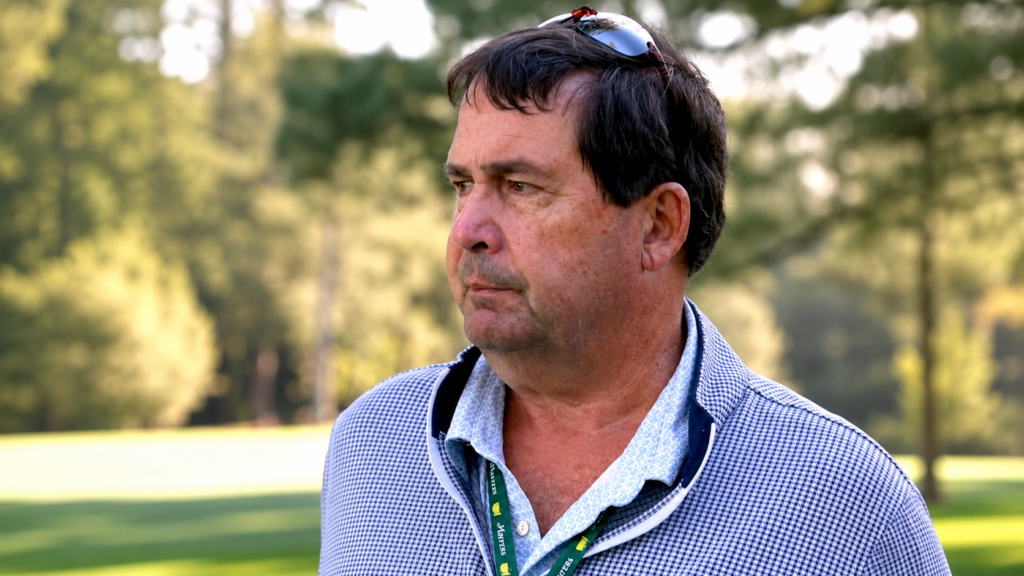
Bob Koepka continued his athletic career at West Virginia Wesleyan College, where he followed his older brother, Scott Koepka, into the Bobcats baseball programme. As a pitcher, Bob became an important member of the team and reportedly led the squad in several pitching categories during his college years.
He graduated in 1981 and remained proud of his connection with the university. His experience shows that athletic achievement in the Koepka family began well before Brooks and Chase entered professional golf. Pitching required concentration, confidence, repetition, emotional control, and the ability to recover quickly after mistakes. Those same qualities later became central to the way Bob understood golf and competition. His baseball background gave him practical knowledge of pressure, which he later shared with his sons as they developed into serious golfers.
Golf Became a Serious Interest After College
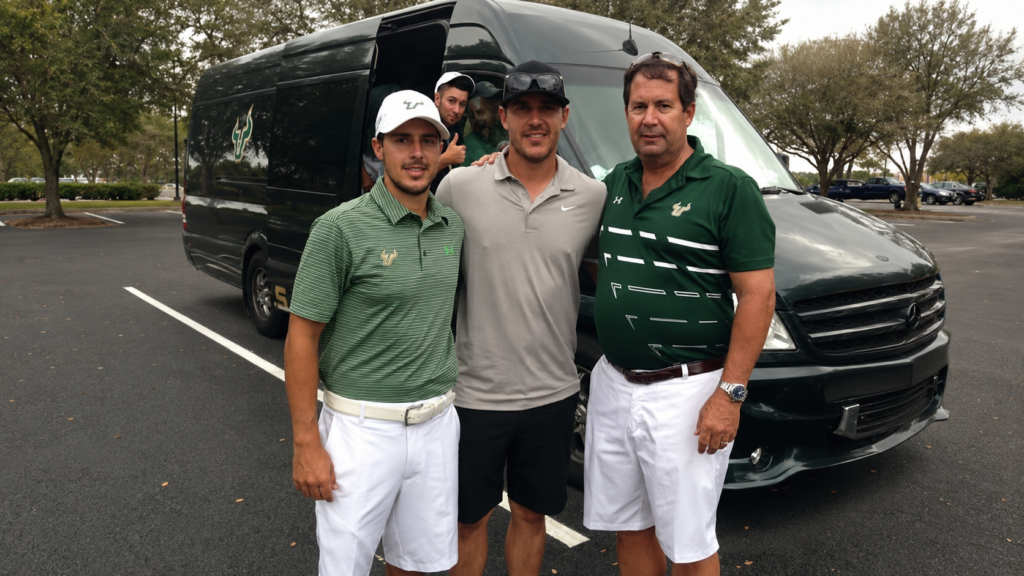
Bob Koepka did not grow up with golf as his main sport. His interest became more serious after college while spending time at a golf course owned by his uncle, former professional baseball player Dick Groat. He watched experienced players, studied their swings, and practised consistently until he developed into a scratch golfer.
Bob later became a successful club champion, winning five consecutive titles at Sherbrooke Golf and Country Club. His run ended when Brooks defeated him in the final at only 13 years old. Bob’s journey from college pitcher to accomplished amateur golfer gave him a clear understanding of patience and skill development. He could introduce his sons to the sport without expecting them to follow a professional path he had already experienced himself.
Raising Brooks and Chase Required Support Without Pressure
Bob introduced Brooks and Chase to golf while they were still young, but he allowed their interest to develop naturally. Brooks played with cut-down clubs as a small child and received his first junior set at seven, when he began attending tournaments and golf camps. By 12, he had decided to focus mainly on golf rather than baseball.
Bob supported the decision even though baseball had been his own strongest sport. His parenting approach combined encouragement with honest feedback. After a win, he would celebrate the result while asking his sons what they could improve next. He believed mental strength separated gifted athletes from dependable competitors and encouraged them to turn weaknesses into strengths.
Bob provided access to tournaments, practice, and early opportunities, while allowing instructors and college coaches to guide technical development. That balance helped Brooks Koepka and Chase build independent careers without feeling that their father needed to control every part of their progress.
Junior Golf Introduced the Brothers to Real Competition

The Palm Beach County junior golf system became an important part of the Koepka family’s sporting journey. Brooks competed in its tournaments as a child, while Bob later served on the organisation’s board and volunteered at junior events for many years. Regular competition taught Brooks and Chase how to manage scorekeeping, pressure, disappointment, improvement, and relationships with other young golfers.
Bob also introduced Brooks to PGA professional Warren Bottke, who became an important early instructor and helped develop the technical side of his game. Bob’s role went far beyond driving his sons to practices and tournaments. He helped them access coaching, competition, and a supportive golf community. His continued involvement after both brothers became professionals showed genuine appreciation for the junior system that had given them their earliest competitive opportunities.
The Koepka Family Had an Athletic Legacy Before Brooks
Athletic success was already part of Bob Koepka’s family before Brooks and Chase became professional golfers. Bob’s brother, Scott Koepka, enjoyed a successful college pitching career, while their uncle Dick Groat reached the highest levels of American sport. Groat became a Major League Baseball star, National League MVP, World Series champion, and accomplished college basketball player.
Growing up around relatives who understood competition exposed Bob to high sporting standards from an early age. However, Brooks and Chase did not succeed through inherited ability alone. The family legacy also included disciplined practice, strong coaching, mental toughness, competitive opportunities, and support from relatives who understood the commitment required to perform at an elite level.
Family Life Remained Grounded During Golf Success
Bob Koepka shares his sons, Brooks and Chase, with his former wife, Denise Jakows, and later married Sherry Koepka. Bob and Sherry have attended tournaments and supported both golfers while maintaining a relatively private life away from major championship attention.
The family witnessed every stage of the brothers’ development, from junior competitions and college golf to European events and major victories. Bob became familiar to golf audiences largely because of his sons’ achievements, but he did not build his identity around their fame. His own story remained connected with family responsibilities, private businesses, amateur golf, and long-term junior golf involvement. This grounded approach allowed him to celebrate Brooks and Chase without presenting their professional accomplishments as his own.
Private Businesses Gave Him Flexibility to Follow Golf
Bob and Sherry Koepka reportedly operated a painting contracting company and an insurance business. According to a Bridgeport community profile, owning these businesses gave them greater flexibility to travel and follow Brooks and Chase during different stages of their golf careers.
This background shows that Bob maintained an independent working life rather than existing only as the father of professional golfers. Contracting and insurance may have provided income over many years, but business revenue does not equal personal profit. Employees, equipment, insurance, taxes, travel, operating costs, and changing demand can reduce earnings. The companies’ value should therefore be considered separately from the fame, tournament winnings, sponsorships, and career earnings of Brooks and Chase.
Major Championship Victories Brought Bob into the Spotlight
Brooks Koepka’s major championship victories introduced Bob Koepka to a wider golf audience. Brooks won the 2017 U.S. Open on Father’s Day, making the achievement especially meaningful for the family. The following year, Bob and other relatives attended the tournament as Brooks successfully defended his title, becoming the first golfer since 1989 to win consecutive U.S. Opens.
Interviews from this period showed Bob’s pride, humour, and grounded personality. Just one day after the 2017 victory, he returned to his scheduled volunteer work with the Palm Beach County Junior Golf Association despite receiving messages and interview requests. These moments strengthened the public image of a supportive father who celebrated Brooks without treating his son’s achievements as his own.
Bob Koepka Net Worth and Reported Income Sources
Bob Koepka net worth is estimated at approximately $1 million in 2026. This is an editorial, internet-based estimate rather than an audited financial statement. It reflects his long working history and reported involvement with Sherry Koepka in a painting contracting company and an insurance business.
His possible personal wealth may include business income, property, retirement savings, private investments, and earnings accumulated through years of employment. However, company revenue does not equal personal profit. Taxes, insurance, equipment, employees, operating expenses, and changing demand can reduce the amount a business owner keeps.
Brooks Koepka’s tournament winnings, LIV Golf agreement, sponsorships, endorsements, and property should remain completely separate. Chase Koepka’s professional earnings must also remain outside this estimate. Bob’s reported net worth should reflect only his own career, businesses, savings, and personal assets.
His Influence Reached Beyond Two Professional Golfers
Bob Koepka’s wider legacy comes from introducing Brooks and Chase to golf while allowing each son to follow a different professional path. He remained connected with junior golf long after their early tournament years and has shared parenting lessons through interviews and podcast appearances.
His story shows the value of balancing encouragement with honest feedback, professional coaching, and personal independence. Bob created opportunities, supported practice, and helped his sons understand competition without trying to control every technical decision or become the centre of their careers. His public identity therefore reaches beyond being the father of two professional golfers. It reflects his athletic background, community involvement, private business work, and the discipline, confidence, and resilience he passed to Brooks and Chase.
Frequently Asked Questions
Who is Bob Koepka?
He is the father of professional golfers Brooks and Chase Koepka.
What is Bob Koepka’s full name?
His full name is Robert Koepka.
How old is Bob Koepka in 2026?
He is estimated to be around 66 to 67.
Where is Bob Koepka from?
He is from Bridgeport, West Virginia.
Where did he attend high school?
He graduated from Bridgeport High School in 1977.
Which college did he attend?
West Virginia Wesleyan College.
Did Bob Koepka play college baseball?
Yes, he played for the Bobcats.
What position did Bob play?
He was a pitcher.
Did he play other school sports?
Yes, basketball and wrestling.
Is Bob Koepka a professional golfer?
No, he became an accomplished amateur golfer.
How good was he at golf?
He reached scratch level and won club championships.
How did he introduce Brooks to golf?
Through junior clubs, camps, coaching, and tournaments.
Who are Bob Koepka’s children?
Brooks Koepka and Chase Koepka.
Is Chase Koepka a professional golfer?
Yes.
Who is Bob Koepka’s wife?
His wife is Sherry Koepka.
Was he married to Denise Jakows?
Yes, they share Brooks and Chase.
What businesses did he operate?
Painting contracting and insurance businesses.
Is he related to Dick Groat?
Yes, Groat was his uncle.
Does Bob support junior golf?
Yes, through volunteering and board involvement.
What is Bob Koepka’s estimated net worth?
Approximately $1 million.
Is Brooks’s wealth included?
No, their finances remain separate.
Where does Bob Koepka live?
He has long been associated with South Florida.
Conclusion
Bob Koepka developed from a multi-sport student in Bridgeport and college baseball pitcher into a scratch golfer, private business owner, junior golf supporter, and father of two professional golfers. Estimated to be around 66 to 67 years old in 2026, he has an editorial net worth estimate of approximately $1 million. His influence on Brooks and Chase came through mental toughness, honest feedback, competitive opportunities, and dependable family support. Bob Koepka’s legacy is not based on claiming his sons’ victories or wealth. It comes from the discipline, independence, and strong athletic foundation he helped both brothers develop.
Read more celebrity profiles on UpdatedMagazine.
